Bridget Fonda Weight Loss Journey: A Story of Privacy, Health, and Self-Acceptance
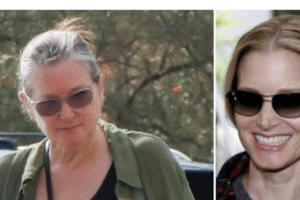
Bridget Fonda Weight Loss Journey :Bridget Fonda, a name that once dominated Hollywood’s golden era of the 1990s, has been a subject of public curiosity for decades. The talented actress, known for her roles in films like “Single White Female,” “Jackie Brown,” and “Point of No Return,” stepped away from the spotlight in the early 2000s, leaving fans wondering about her life beyond Hollywood. In recent years, discussions about Bridget Fonda’s weight loss journey and physical transformation have captured significant attention, sparking conversations about body image, health, and the pressures of fame.
This article explores Bridget Fonda’s journey, her life after Hollywood, and the broader conversation around weight loss, health, and body acceptance that her story has inspired.
Who is Bridget Fonda?
Before delving into her personal journey, it’s essential to understand who Bridget Fonda is and why her story resonates with so many people.
Born on January 27, 1964, into Hollywood royalty, Bridget Fonda is part of the legendary Fonda acting dynasty. She is the daughter of actor Peter Fonda and niece of Jane Fonda, with her grandfather being the iconic Henry Fonda. Growing up surrounded by cinematic excellence, Bridget seemed destined for the silver screen.
Her acting career took off in the late 1980s and flourished throughout the 1990s. She demonstrated remarkable versatility, seamlessly transitioning between genres from psychological thrillers to romantic comedies. Films like “The Godfather Part III,” “Singles,” “It Could Happen to You,” and her memorable performance in Quentin Tarantino’s “Jackie Brown” solidified her status as one of Hollywood’s most talented actresses of her generation.
At the peak of her career, Bridget Fonda was celebrated not only for her acting prowess but also for her natural beauty and elegant presence on screen.
Stepping Away from Hollywood
In 2002, Bridget Fonda made a decision that surprised many in the entertainment industry—she retired from acting. Her last credited role was in the television film “Snow Queen” in 2002, after which she chose to step away from the limelight entirely.
Several factors contributed to her retirement. In 2003, she married acclaimed composer Danny Elfman, known for his work on numerous Tim Burton films and television shows like “The Simpsons” theme. The couple welcomed their son, Oliver, in 2005. Bridget has spoken about prioritizing her family life and finding fulfillment away from the demanding nature of Hollywood.
Additionally, Bridget was involved in a serious car accident in 2003, which resulted in a fractured vertebra. This incident may have influenced her decision to focus on recovery and family rather than returning to the physically demanding world of acting.
The Public’s Fascination with Her Transformation
For nearly two decades, Bridget Fonda lived a remarkably private life, rarely appearing in public or on social media. When paparazzi photos of her surfaced in recent years, they sparked widespread discussion about her physical appearance and weight changes.
The images showed a woman who looked different from the Hollywood starlet audiences remembered from the 1990s. This transformation became a topic of intense public interest, with various media outlets and social media platforms buzzing with commentary about her appearance and health.
It’s crucial to approach this topic with sensitivity and respect. Bridget Fonda has not publicly discussed any intentional weight loss journey or made detailed statements about her body or health in relation to these discussions. Much of the conversation surrounding her transformation is speculation based on public appearances and photographs.
Understanding Weight Changes After Leaving the Spotlight
Hollywood places immense pressure on actors, particularly women, to maintain specific physical standards. The demands of the industry often include strict diets, intensive workout regimens, and constant scrutiny of one’s appearance. When actors step away from this environment, it’s natural for their bodies to change.
Several factors can contribute to weight changes after leaving Hollywood:
Reduced Pressure: Without the constant need to maintain a camera-ready appearance, individuals may adopt more relaxed attitudes toward diet and exercise.
Lifestyle Changes: The transition from a demanding filming schedule to a more sedentary lifestyle can affect metabolism and body composition.
Aging: Natural metabolic changes occur as we age, making it easier to gain weight and harder to lose it.
Health Conditions: Various medical conditions, medications, and life events can impact weight.
Prioritizing Different Values: Many former celebrities choose to prioritize family, mental health, and personal happiness over maintaining their Hollywood physique.
The Pressure of Hollywood Beauty Standards
Bridget Fonda’s story highlights the often unrealistic and unsustainable beauty standards imposed on women in Hollywood. During her acting career, she, like many actresses, was expected to maintain a specific body type that often required extreme measures.
The entertainment industry has long been criticized for its narrow definition of beauty, particularly for women. Actresses face pressure to stay thin, look young, and maintain flawless appearances at all times. This pressure can lead to unhealthy relationships with food, exercise, and body image.
When celebrities step away from this environment, they often experience freedom from these constraints. For some, this means allowing their bodies to exist in a more natural state without the constant pressure to meet unrealistic standards.
Health Considerations in Weight Loss Journeys
While public interest in Bridget Fonda’s appearance continues, it’s important to remember that weight and health are deeply personal matters. Without direct information from Bridget herself, we cannot know the specifics of her health journey or any intentional changes she may or may not have made.
That said, healthy weight management generally involves several key components:
Balanced Nutrition: A diet rich in whole foods, vegetables, lean proteins, and healthy fats supports overall health and sustainable weight management.
Regular Physical Activity: Exercise not only aids in weight management but also improves mental health, bone density, and cardiovascular function.
Adequate Sleep: Quality sleep is crucial for metabolism, hormone regulation, and overall wellbeing.
Stress Management: Chronic stress can impact weight through hormonal changes and behavioral patterns.
Medical Support: Working with healthcare professionals ensures that any weight loss journey is safe and appropriate for individual health needs.
Mental Health: A positive relationship with one’s body and food is essential for long-term health and happiness.
The Impact of Aging on Body Composition
Bridget Fonda is now in her sixties, and it’s natural for bodies to change with age. Understanding these changes can help foster more realistic expectations and greater compassion for ourselves and others.
As we age, several physiological changes occur:
Metabolic Slowdown: Basal metabolic rate decreases with age, meaning the body burns fewer calories at rest.
Muscle Mass Loss: Without intentional strength training, adults lose muscle mass as they age, which further slows metabolism.
Hormonal Changes: For women, menopause brings significant hormonal shifts that can affect weight distribution and fat storage.
Activity Level Changes: Many people become less active as they age due to various factors including health conditions, joint pain, or lifestyle changes.
These natural processes mean that maintaining the same body weight and composition becomes more challenging over time, even with consistent diet and exercise habits.
Privacy and Celebrity Culture
Bridget Fonda’s choice to live privately raises important questions about celebrity culture and our society’s obsession with famous people’s appearances. Her decision to step away from public life deserves respect, yet paparazzi photos continue to surface, often accompanied by commentary about her appearance.
This phenomenon reflects broader issues in our culture:
The Commodification of Celebrity Bodies: Famous people’s bodies are often treated as public property, subject to constant scrutiny and judgment.
Double Standards: Women face significantly more criticism about their appearances than men, and aging women in particular are subject to harsh judgment.
The Right to Privacy: Celebrities are human beings who deserve privacy and dignity, especially when they’ve retired from public life.
Media Responsibility: The media’s role in perpetuating harmful narratives about bodies and appearances deserves critical examination.
Body Positivity and Self-Acceptance
Bridget Fonda’s story, regardless of the specifics, can serve as a starting point for important conversations about body positivity and self-acceptance. In a world that constantly tells us our bodies need to be “fixed,” choosing to exist without apology is a radical act.
Body positivity principles include:
All Bodies Are Valid: Health and worth are not determined by size, shape, or appearance.
Respect for Autonomy: Everyone has the right to make their own choices about their body without judgment.
Challenging Beauty Standards: Recognizing that beauty standards are socially constructed and often harmful.
Health Over Appearance: Prioritizing how we feel and function over how we look.
Compassion: Extending kindness to ourselves and others, regardless of body size or changes.
Lessons from Bridget Fonda’s Journey
While we may not know the specific details of Bridget Fonda’s personal journey, her story offers valuable lessons:
Authenticity Matters: Living authentically and prioritizing what truly matters to you is more important than meeting others’ expectations.
Life Beyond Hollywood: There is fulfillment and happiness to be found outside the entertainment industry and public eye.
Family and Personal Life: For Bridget, choosing family over fame has been her priority, showing that success means different things to different people.
The Right to Privacy: Everyone, including public figures, deserves the right to live privately without constant scrutiny.
Natural Changes Are Normal: Bodies change throughout life, and that’s a natural, acceptable part of the human experience.
The Broader Conversation About Weight and Health
Discussions about celebrity weight loss or gain often miss the bigger picture about health, wellness, and body diversity. True health encompasses physical, mental, and emotional wellbeing—not just a number on a scale or a particular clothing size.
Important considerations include:
Health at Every Size: Research supports the idea that health behaviors are more important than weight itself.
Individual Differences: Genetics, medical conditions, medications, and countless other factors influence body size and composition.
Mental Health: Obsessing over weight and appearance can negatively impact mental health and quality of life.
Sustainable Practices: Extreme diets and exercise regimens are rarely sustainable or healthy long-term.
Quality of Life: Ultimately, feeling good and being able to engage in activities you enjoy matters more than achieving a specific body type.
Moving Forward with Compassion
As we consider Bridget Fonda’s journey and the public response to it, we’re challenged to examine our own attitudes about bodies, aging, and celebrity culture. Her choice to live privately, away from Hollywood’s demands, is worthy of respect rather than judgment.
Whether someone is gaining or losing weight, maintaining their weight, or experiencing natural body changes, they deserve compassion and dignity. This applies to celebrities and non-celebrities alike.
Conclusion
Bridget Fonda’s weight loss journey, or more accurately, her journey through life after Hollywood, reminds us of the complex relationship between fame, body image, and personal choice. While public curiosity about her transformation is understandable given her previous prominence, it’s essential to approach such topics with empathy and respect for privacy.
Her story highlights the unrealistic pressures placed on women in Hollywood, the natural changes that come with aging, and the courage it takes to prioritize personal happiness over public expectations. Whether or not Bridget Fonda has embarked on an intentional weight loss journey, her choice to live authentically and privately deserves our respect.
Ultimately, Bridget Fonda’s legacy extends far beyond her physical appearance. She gave us memorable performances, contributed to cinema during an exciting era, and now lives life on her own terms. In a world obsessed with celebrity culture and appearance, perhaps the most important lesson from her journey is that true success means defining happiness for yourself, regardless of others’ expectations or opinions.
As we move forward, let’s challenge ourselves to extend more compassion to all bodies, respect people’s privacy, and recognize that health and happiness come in many different forms. Bridget Fonda’s story is ultimately one of a woman who chose her own path—and that choice, whatever it looks like, is hers to make
Pingback: Rebel Wilson Weight Loss: How She Lost 80 Pounds and Transformed Her Life - checkweightlosstory.com